Explore China's Cultural Heritage
Journey through China's 59 UNESCO World Heritage Sites, each telling a unique story of the country's rich history, architectural marvels, and cultural significance spanning over 5,000 years.
Eastern China
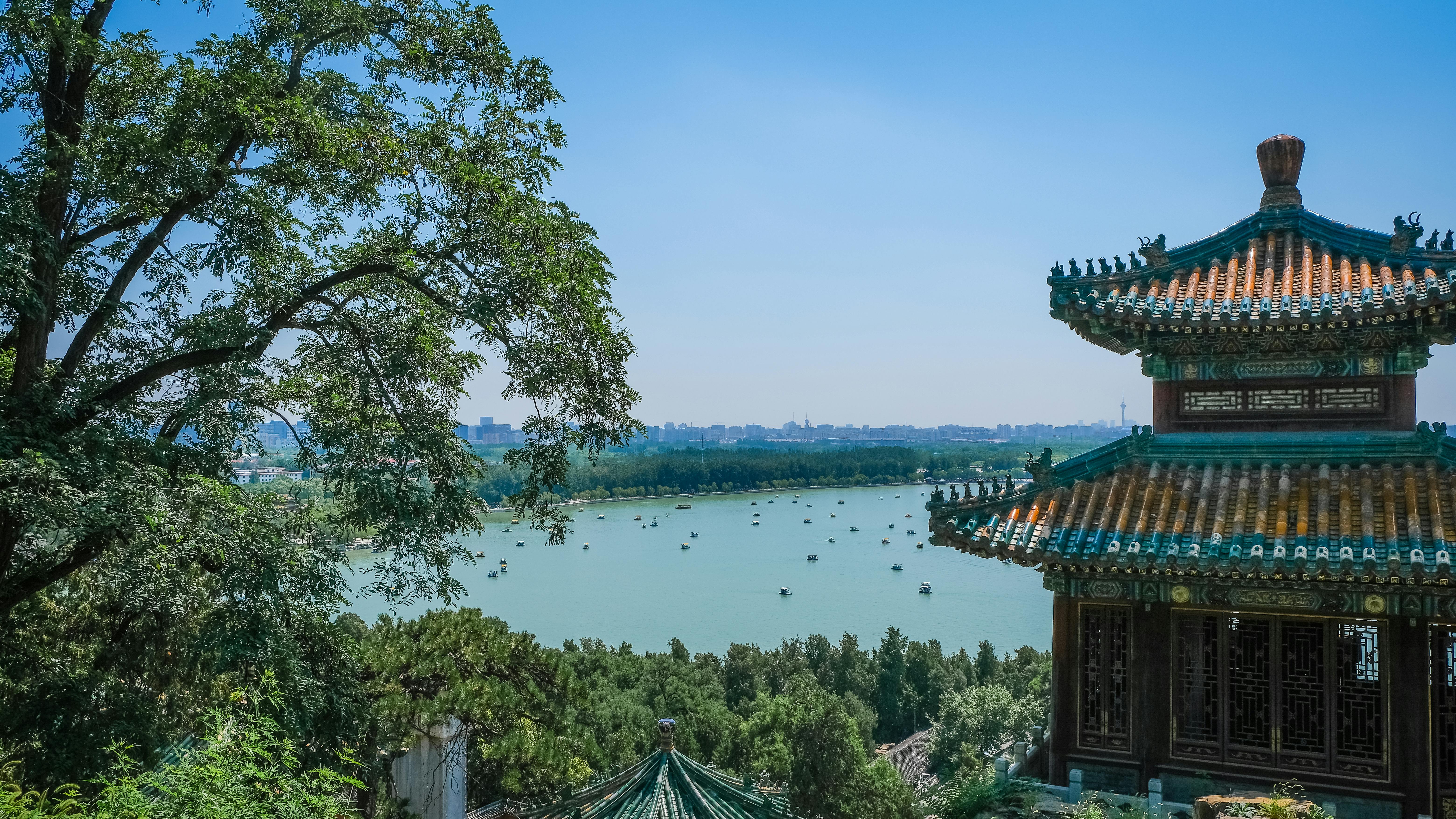
The Forbidden City
The world's largest palace complex, serving as the imperial residence for 24 emperors during the Ming and Qing dynasties.
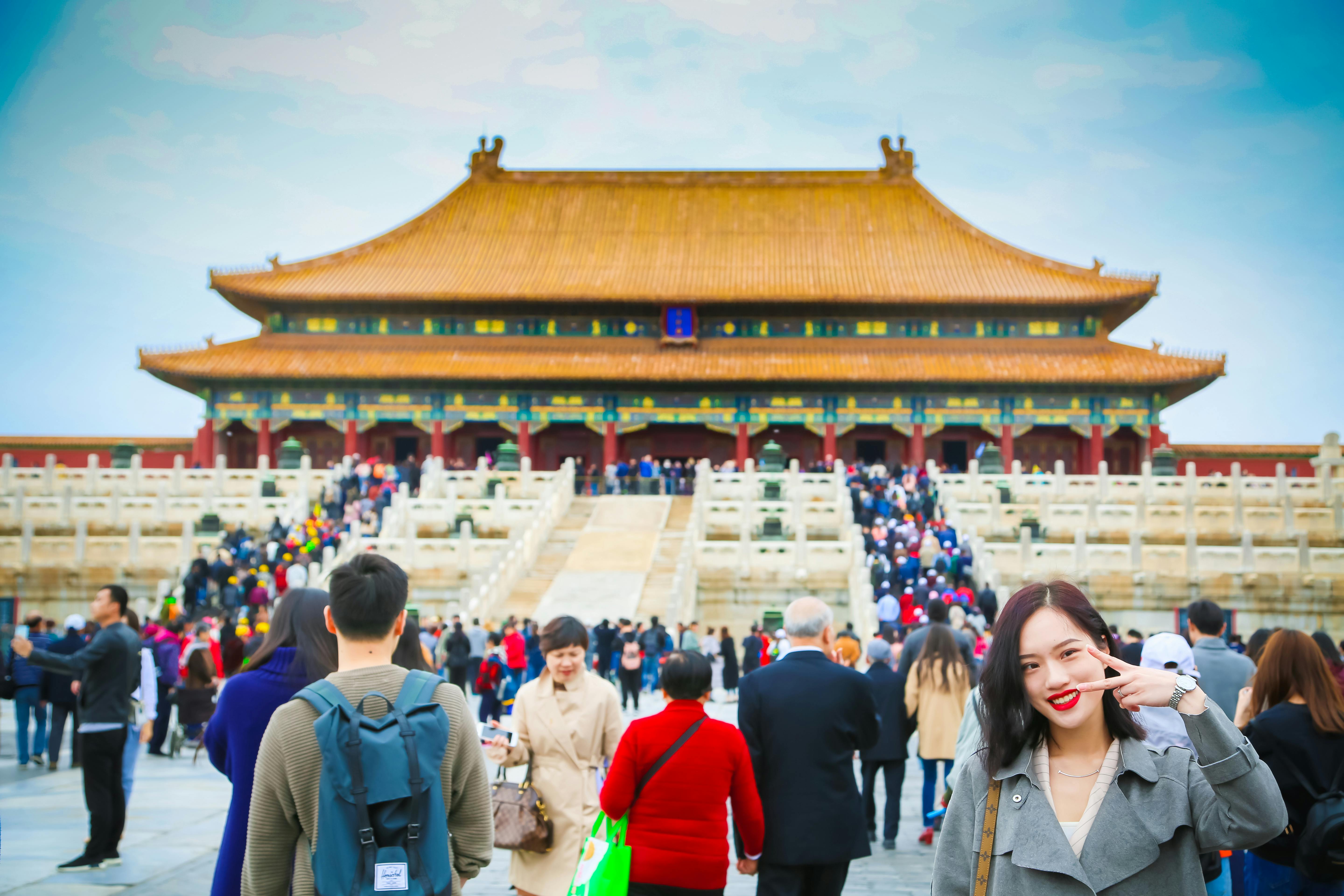
The Great Wall
An architectural marvel stretching over 21,000 kilometers, built over various dynasties as a military defense system.
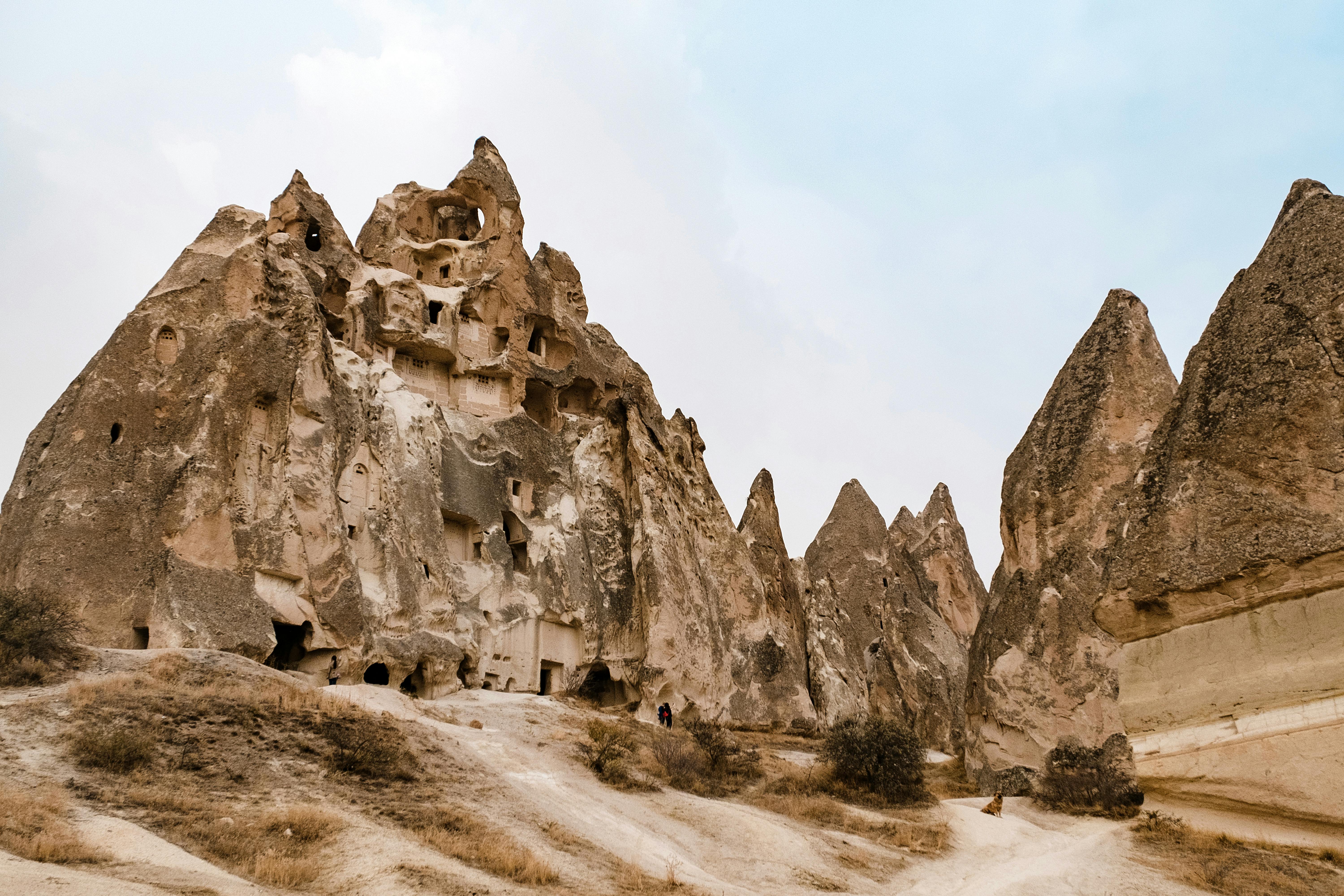
Classical Gardens of Suzhou
Masterpieces of Chinese landscape garden design, representing the development of Chinese landscape garden art over 2,000 years.
Northeast China
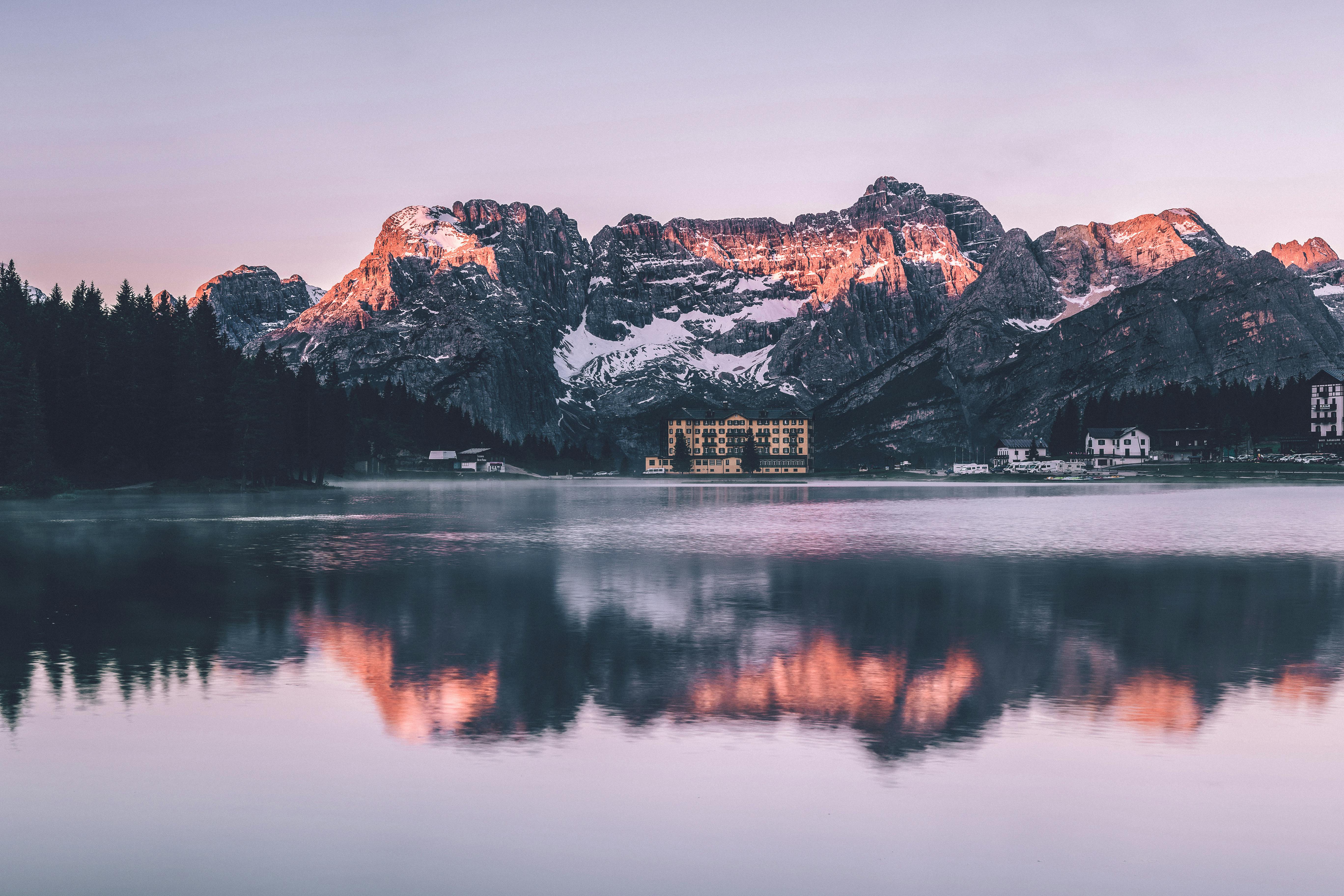
Changbai Mountain
A sacred mountain range featuring volcanic landscapes, pristine forests, and the stunning Heaven Lake at its summit.
Imperial Palace of Manchurian State
The last imperial palace built in China, showcasing the unique blend of Manchu and Han architectural styles.
Northwest China
Silk Roads Network
An extensive network of trade routes connecting China with Central and West Asia, featuring numerous cultural exchange sites.
Tianshan Mountains
A vast mountain range featuring stunning glaciers, snow-capped peaks, and unique biodiversity.
Northern China
Terracotta Army
An archaeological marvel featuring thousands of life-sized terracotta warriors guarding Emperor Qin Shi Huang's tomb.
Yungang Grottoes
Outstanding example of Buddhist cave art, featuring 252 caves and 51,000 statues representing the fusion of Chinese and foreign art.
Ancient City of Pingyao
An exceptionally well-preserved example of a traditional Han Chinese city from the Ming and Qing dynasties.
Southern China
Old Town of Lijiang
A historic town that perfectly integrates different cultural elements of the various ethnic groups that have lived here over centuries.
Wulingyuan Scenic Area
A spectacular area stretching over 26,400 hectares featuring thousands of sandstone pillars and peaks across ravines and gorges.
Ancient Villages in Southern Anhui
Traditional villages featuring unique Hui-style architecture and ancient water systems from the Ming and Qing dynasties.
Kaiping Diaolou and Villages
Multi-storied defensive village houses that integrate Chinese and Western architectural styles, built by returning Chinese emigrants in the early 20th century.
China Danxia
Spectacular red sandstone landscapes that have been eroded over millions of years into extraordinary formations and ravines with cliffs, pillars, and peaks.
Fujian Tulou
Unique earthen houses built between the 15th and 20th centuries, featuring a sophisticated fortified construction that housed entire clans.
Western China
Mogao Caves
The largest and most richly endowed treasure house of Buddhist art in the world, with 492 decorated caves spanning a millennium of artistic creation.
Potala Palace
Symbol of Tibetan Buddhism and winter palace of the Dalai Lamas, featuring a complex of religious and administrative buildings.

Jiuzhaigou Valley
A natural wonderland featuring colorful lakes, waterfalls, and snow-capped peaks, home to many endangered plant and animal species.
Central China
Longmen Grottoes
An outstanding manifestation of human artistic creativity, containing 2,345 caves with over 100,000 Buddhist statues.
Ancient Building Complex in the Wudang Mountains
A sacred Taoist site featuring a series of ancient temples and palaces that showcase the architectural achievements of China's Yuan, Ming and Qing dynasties.
Historic Monuments of Mount Songshan
A sacred mountain featuring ancient architectural complexes including the famous Shaolin Temple, birthplace of Chan Buddhism and Shaolin martial arts.